Question 1 of 10
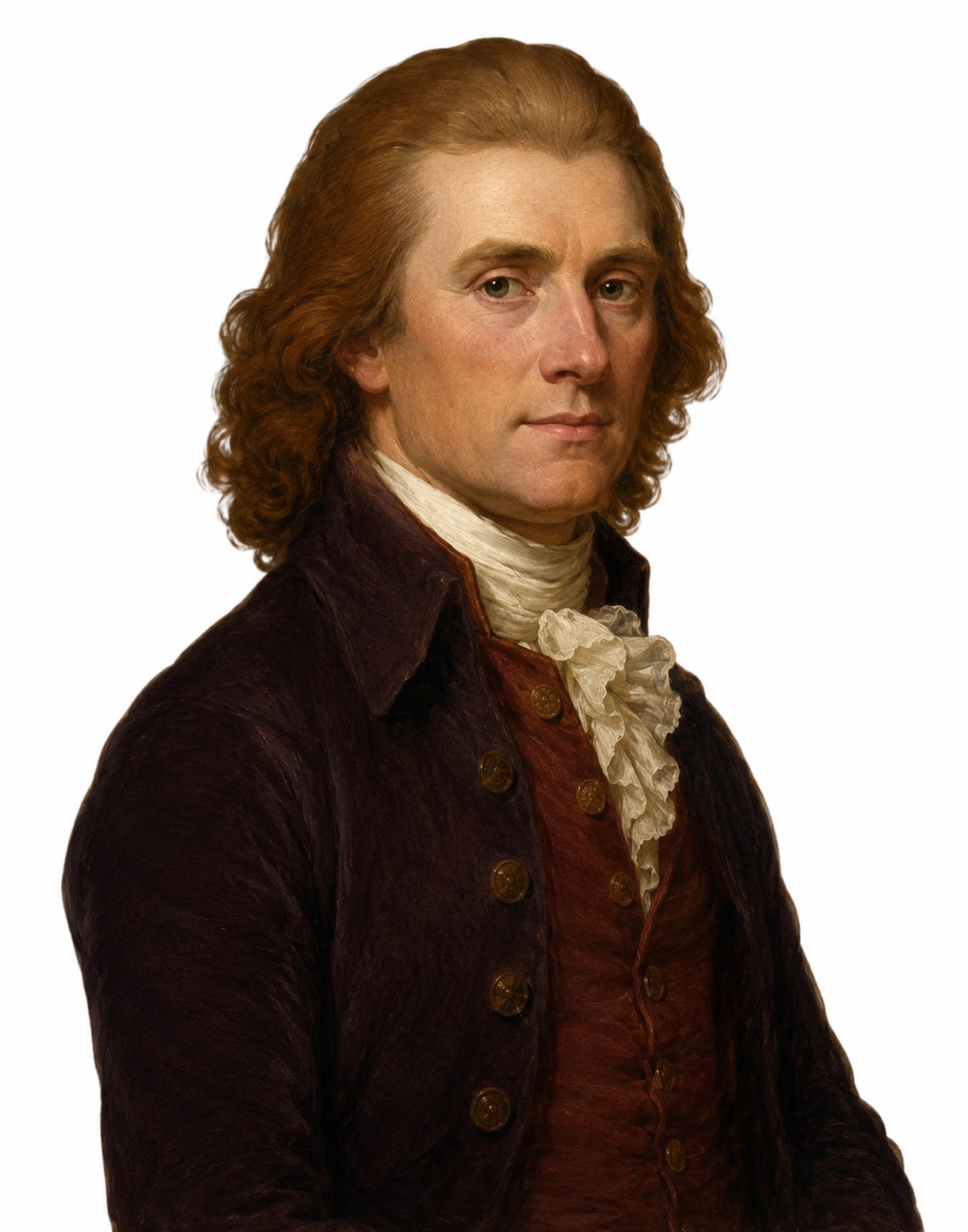
The Declaration of Independence was primarily written by:
AGeorge Washington
BThomas Jefferson
CBenjamin Franklin
DJohn Adams
Explanation
📌 Thomas Jefferson drafted the Declaration of Independence in 1776.
Adopted July 4, 1776 by the Continental Congress.
Adopted July 4, 1776 by the Continental Congress.
Question 2 of 10
The Bill of Rights consists of the first ___ amendments.
A10
B5
C13
D20
Explanation
📌 First 10 amendments = Bill of Rights. Ratified 1791. Protects individual liberties.
Question 3 of 10
The first permanent English settlement in America was:
ASt. Augustine
BRoanoke
CJamestown
DPlymouth
Explanation
📌 Jamestown, Virginia (1607). Founded by the Virginia Company for economic reasons (gold, trade).
Question 4 of 10
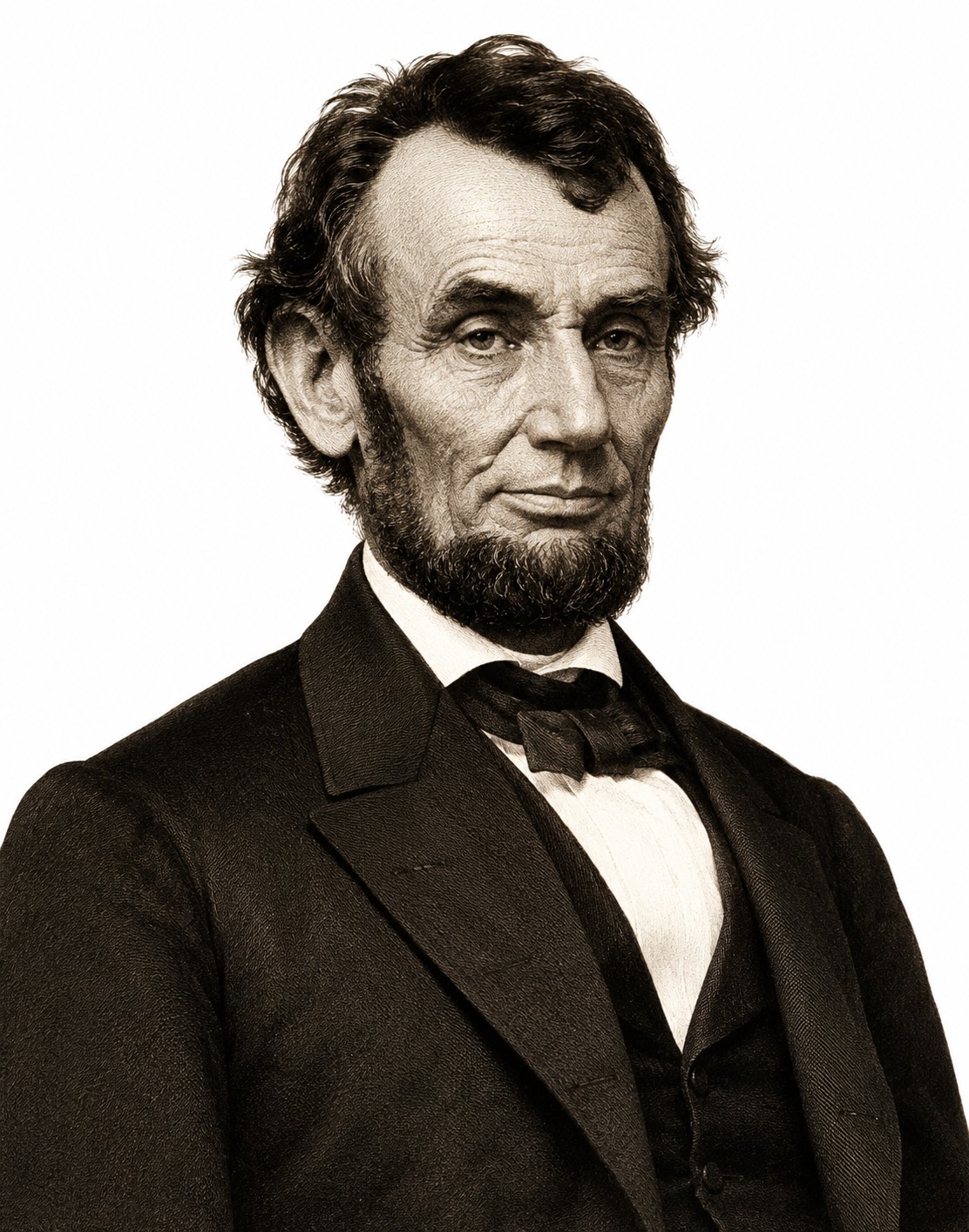
Abraham Lincoln issued the Emancipation Proclamation in:
A1863
B1860
C1865
D1870
Explanation
📌 1863. Freed enslaved people in Confederate states. Did NOT free slaves in border states.
Question 5 of 10
The 13th Amendment:
Agave women the right to vote
Babolished slavery
Ccreated the income tax
Destablished Prohibition
Explanation
📌 Abolished slavery (1865). 14th = citizenship/equal protection. 15th = voting rights regardless of race.
Question 6 of 10
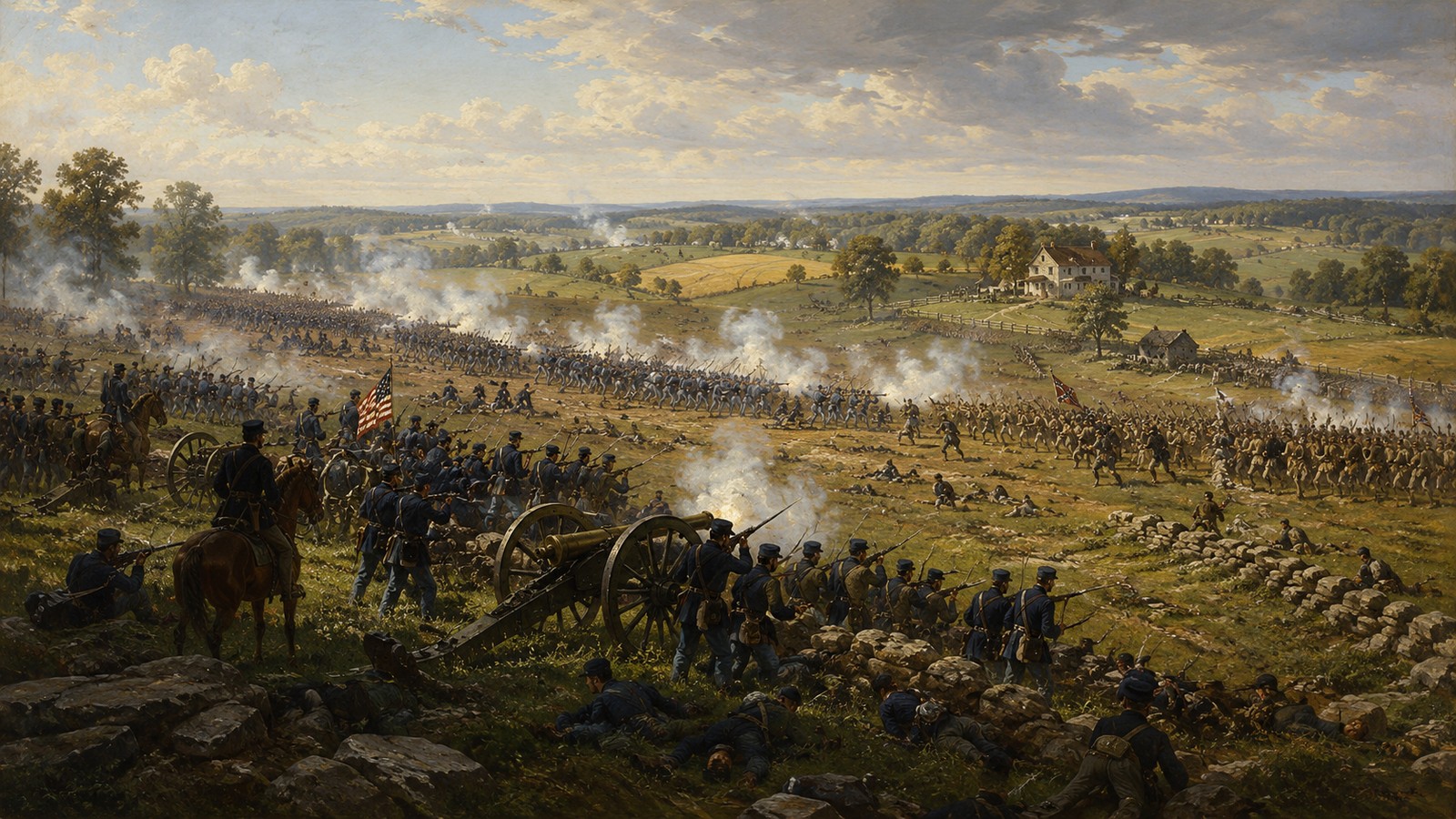
The Battle of Gettysburg (1863) was important because:
Ait fully ended slavery across the entire South
Bit was the turning point of the Civil War
Cit was the war's first major battle
Dit was the last battle of the entire Civil War
Explanation
📌 Turning point of the Civil War. Union victory. Ended Lee's invasion of the North. Bloodiest battle.
Question 7 of 10
The Great Plains are primarily used for:
Aagriculture
Bmining
Cfishing
Dsteel factories
Explanation
📌 Agriculture (wheat, corn, cattle ranching). Called 'America's breadbasket.'
Question 8 of 10
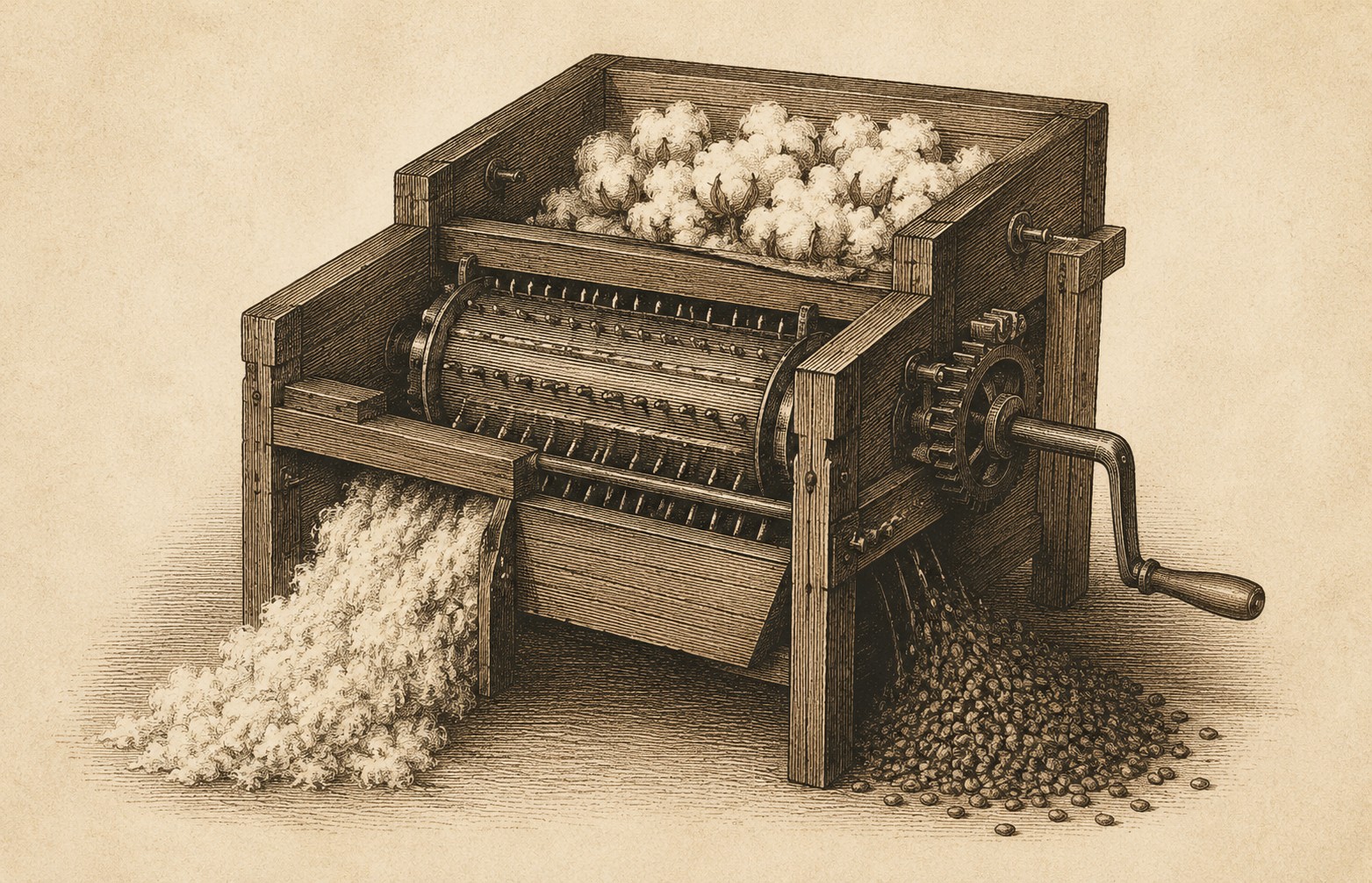
The cotton gin was invented by:
ABenjamin Franklin
BThomas Edison
CEli Whitney
DAlexander Graham Bell
Explanation
📌 Eli Whitney (1793). Made cotton profitable → increased demand for slavery in the South.
Question 9 of 10
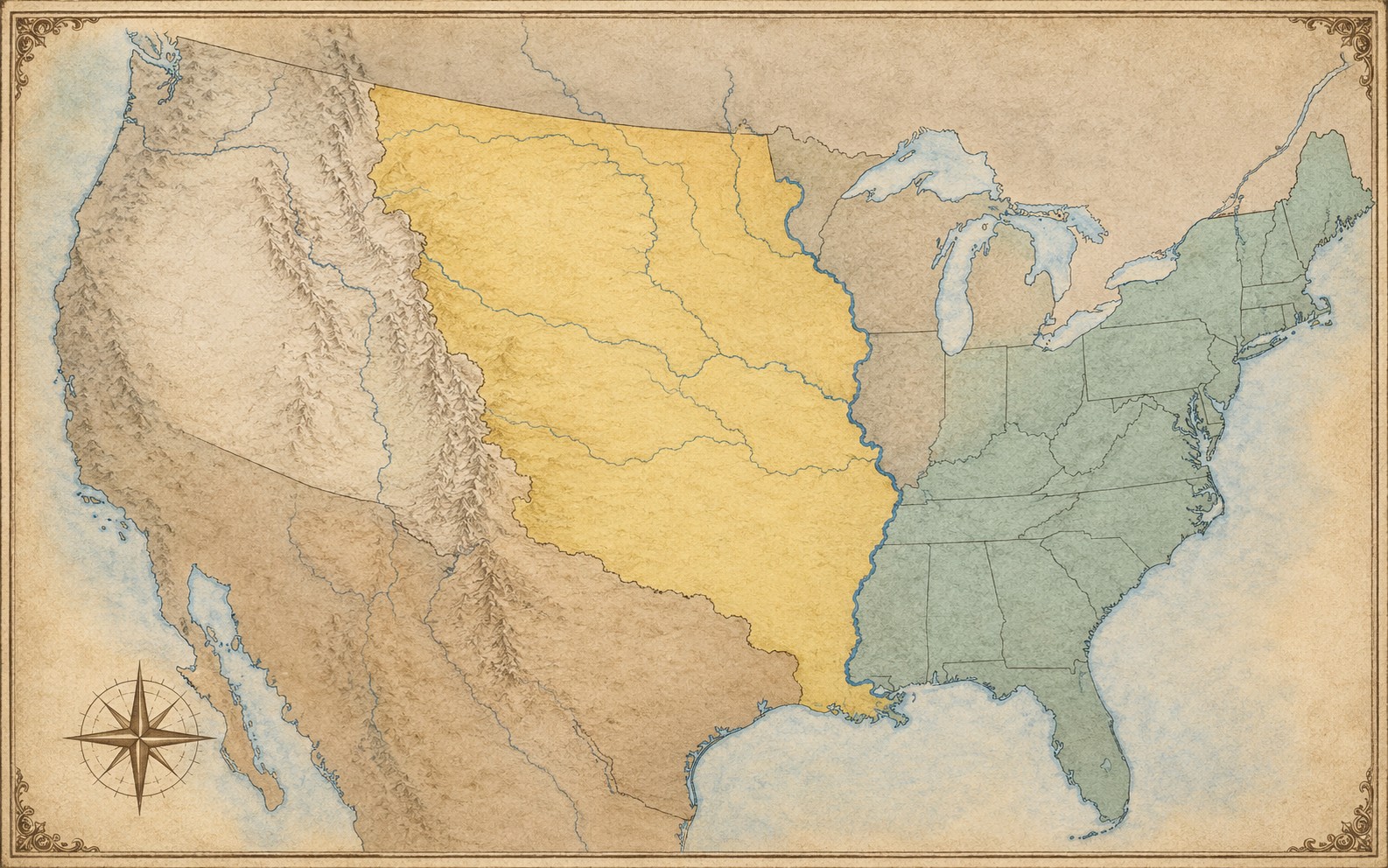
The Louisiana Purchase (1803) doubled the size of the US. It was purchased from:
ABritain
BSpain
CFrance
DMexico
Explanation
📌 Napoleon's France sold it for $15 million. Doubled US territory. Lewis & Clark explored it.
Question 10 of 10
The map below shades each state by how its population changed between the 1930 and 1940 censuses. The country as a whole grew by 7.3 per cent over that decade. Five of the six states shaded as losing population form one block on the Great Plains. What best accounts for that pattern?
ADrought and dust storms drove farm families out
BThe federal government relocated residents away from the plains by statute
CImmigration restrictions passed in the 1920s applied only to the plains states
DWartime factories in those states closed and were never afterwards reopened
Explanation
Kansas, Oklahoma, Nebraska and the Dakotas lost people as drought, erosion and falling crop prices pushed tenant farmers and owners off the land, many toward California. Vermont, the sixth state, lost population for an unrelated reason — the long drift away from marginal New England hill farms.