西进运动:从路易斯安那购地到昭昭天命
在1803年至1853年间,美国从13个聚集在大西洋沿岸的州扩张成为一个横跨大陆的国家。掌握四次主要的领土获取及其背后的意识形态。


从此岸至彼岸
50年间,美国的面积扩大了三倍。五个主要事件促成了这一切,CBE 对每一个都会提问。
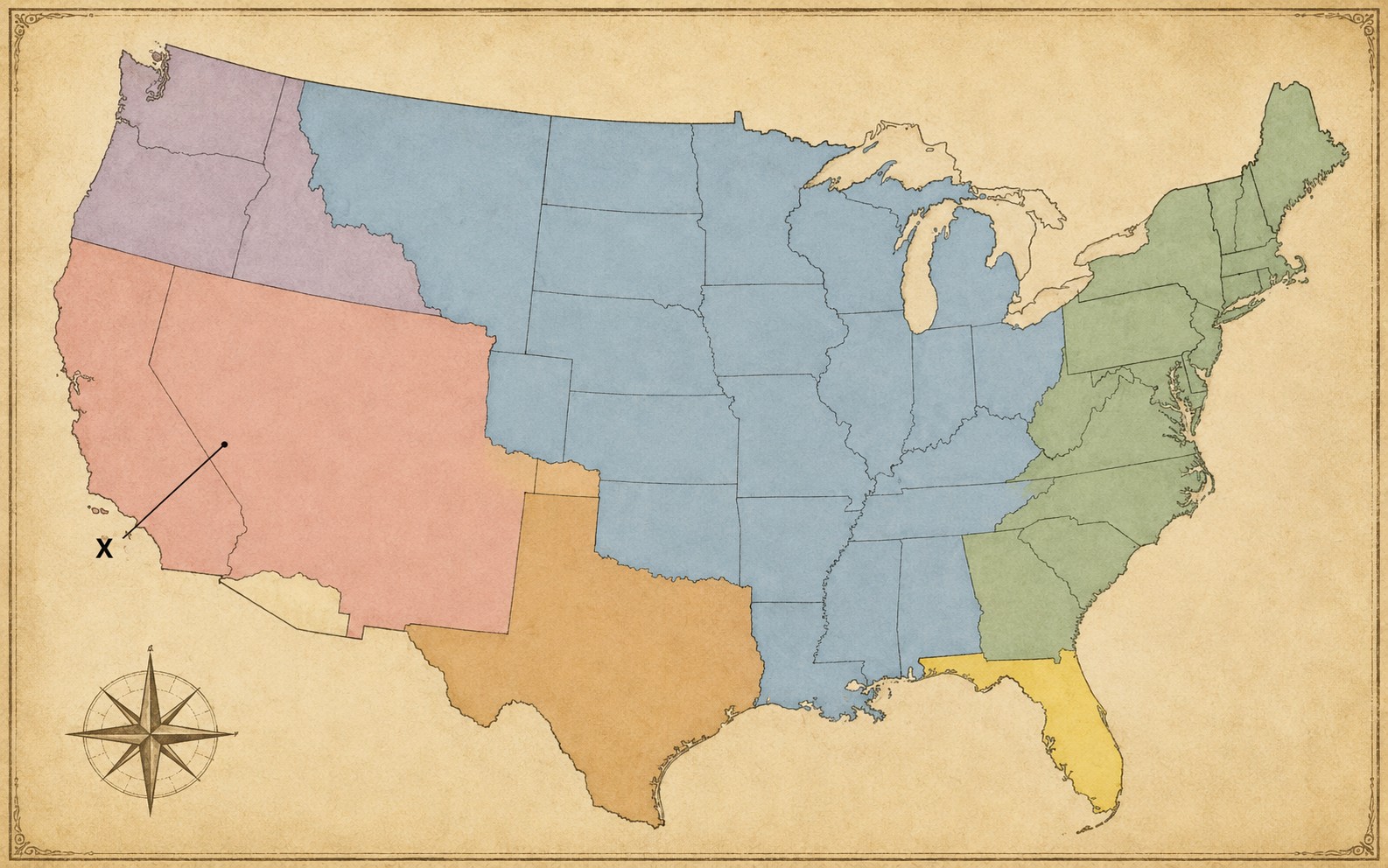
主要领土获取
- 路易斯安那购地(Louisiana Purchase, 1803)——从法国购得(Napoleon 需要现金打欧洲战争)。以1500万美元使美国面积翻倍。从 Mississippi 河一直延伸到落基山脉。
- 佛罗里达割让(Florida Cession, 1819)——通过 Adams-Onís 条约从西班牙获得。
- Texas 并入(Texas Annexation, 1845)——Texas 在1836年赢得对墨西哥的独立战争后独立;1845年并入美国。
- 俄勒冈国土(Oregon Country, 1846)——在北纬49度线与英国分割。
- 墨西哥割让地(Mexican Cession, 1848)——通过美墨战争获得。包括现今的 California、Nevada、Utah、Arizona 以及 New Mexico/Colorado/Wyoming 的部分地区。
- 加兹登购地(Gadsden Purchase, 1853)——Arizona/New Mexico 南部的一小条地带,为铁路路线从墨西哥购得。
昭昭天命(Manifest Destiny)——意识形态
昭昭天命(Manifest Destiny)是19世纪的信念,即美国受神圣天命注定要从大西洋扩张到太平洋。1845年由记者 John O'Sullivan 首创,它为领土扩张——包括美墨战争——提供了道德掩护。这种意识形态有其阴暗面:它无视了已经生活在这片土地上的美洲原住民和墨西哥人的权利。
Mason-Dixon 线与奴隶制问题
每一片新领土都引发同一个爆炸性问题:蓄奴还是自由? Mason-Dixon 线最初于1760年代测量为殖民地边界;它成为北方自由州与南方蓄奴州之间的象征性分界线。一次又一次的妥协(1820年密苏里妥协、1850年妥协案、1854年 Kansas-Nebraska 法)把问题一再推迟,直到南北战争才彻底解决。
自我检查
快速检查 #1
1803年美国从谁那里购买了路易斯安那购地?
Napoleon Bonaparte 以约1500万美元将 Louisiana 卖给美国以资助他的欧洲战争。这笔交易使美国面积翻倍。
快速检查 #2
"昭昭天命"(Manifest Destiny)是什么意思?
1845年提出的昭昭天命是这样一种信念:美国注定受神圣天命从此岸延伸至彼岸。它为一切辩护,从美墨战争到对美洲原住民的驱离。